



AI Tools I Actually Use as a Creative Business Owner
Six months ago I was drowning in tabs. Client emails in one window, a half-written caption in another, an invoice I kept meaning to send buried somewhere in Dubsado. Now most of that runs through AI tools, and I mean that literally. If you’re a creative business owner wondering what this actually looks like day to day, not in theory, here’s the exact list of what my team and I touch every single day.
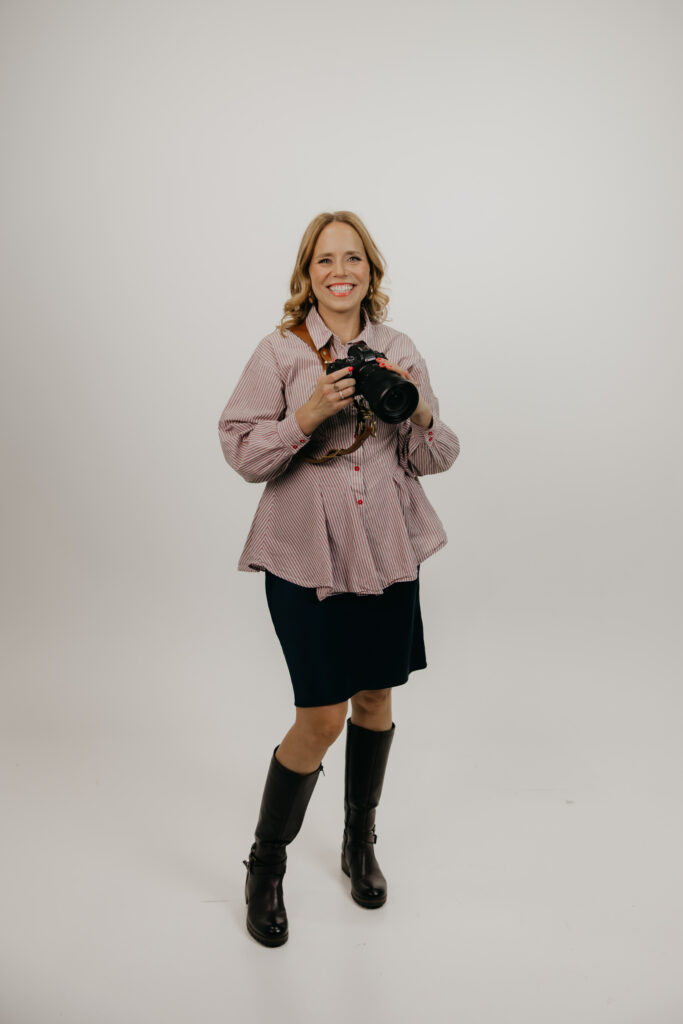



AI Tools for Content Creation
This is where most creative business owners start, and for good reason. Content is the thing that eats the most hours and returns the least energy if you’re doing it alone.
I use ChatGPT and Claude to turn one raw idea into five pieces of content instead of one. A client debrief becomes an Instagram caption, a blog outline, and three carousel slides before I’ve finished my coffee. I still write the final version myself. The tool gets me from a blank page to a rough draft, which used to take me an hour of staring at my phone.
For photo editing, I run most of my culling and color correction through Imagen AI. It learns my editing style from a sample batch and applies it across a full gallery, which used to be the single most time-consuming part of my week. The post where I first wrote about this goes deeper into how much that one shift changed my whole schedule.
None of this replaces my eye or my voice. It replaces the blank page.
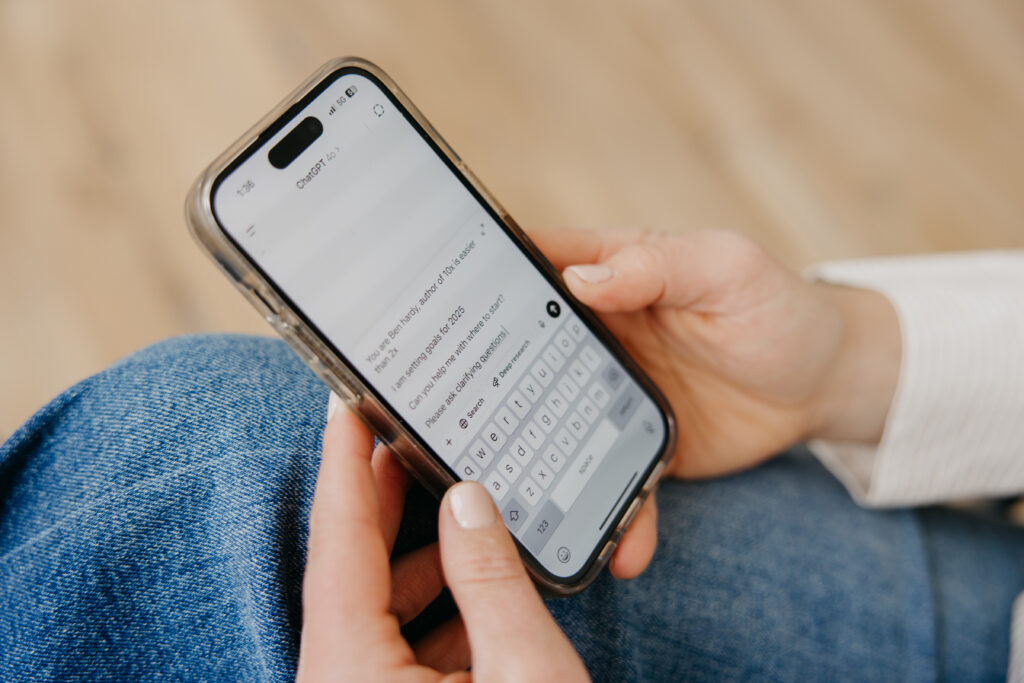

AI Tools for Client Communication and Business Systems
The content side gets all the attention, but the bigger unlock for my business has been on the operations side.
My team uses AI to draft client emails, build out session prep guides, and write the FAQ documents new clients get before their shoot. Someone on my team writes a rough version, runs it through an AI tool to tighten the language, and sends it. What used to take twenty minutes now takes five.
We also use AI to map out workflows before we build them in our actual systems. Before I ever touch Dubsado or a Zapier automation, I’ll talk through the steps with an AI tool first, the same way I’d talk through it with a business coach. It catches gaps I would have found three steps too late otherwise.
This is the part I wish more creative business owners understood before they invest in AI. The tool is not the strategy. It’s the fastest way to test a strategy before you build it for real.
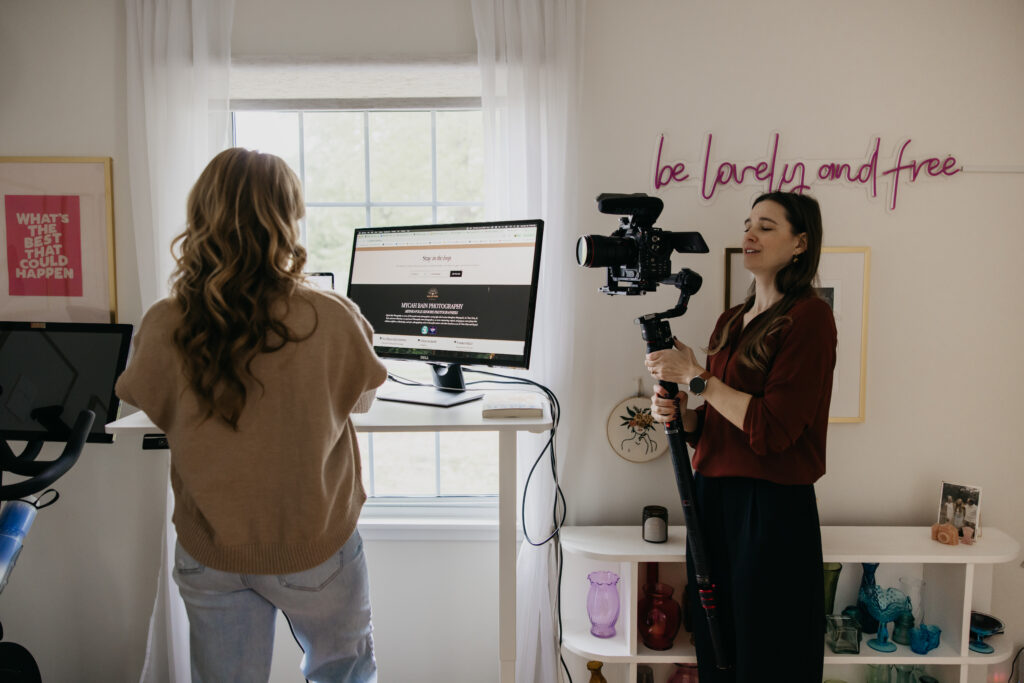
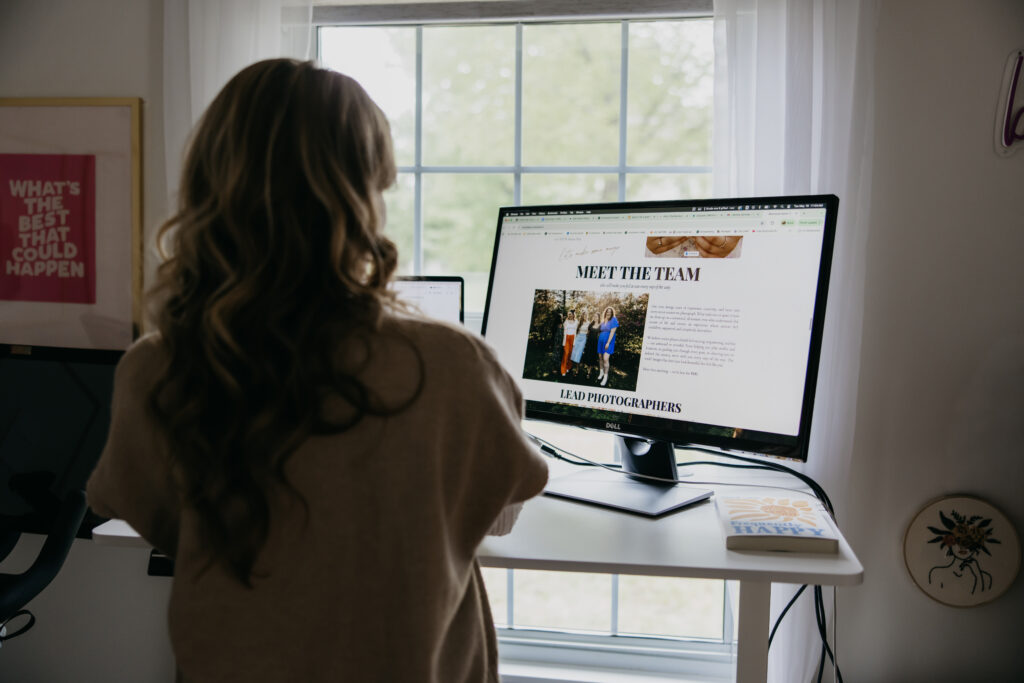
Where AI Actually Frees You Up (And Where It Doesn’t)
Here’s the pain point I hear most from another creative business owner almost every week: they got into this work to create, and instead they spend their days on admin. Emails. Invoices. Caption writing. The stuff that has nothing to do with why they started.
AI tools don’t eliminate that work. They shrink it down to a size that stops eating your creative hours. The two hours I used to spend writing captions for the week is now twenty minutes of editing what a tool already drafted.
What AI tools cannot do is replace the actual relationship. A client doesn’t hire me because I have good workflows. They hire me because of how their photos feel, and how it feels to work with my team. AI gets me back the hours. It doesn’t do the work that made someone want to book in the first place.




The Learning Curve Every Minneapolis Creative Business Owner Hits
I run a Minneapolis-based photography studio with a team spread across the Twin Cities and the Philippines, and I’ll tell you the honest version of adopting AI tools: it was clunky before it was useful.
The first month, I over-relied on it. I let it write things that didn’t sound like me, and I had to walk some of that back with clients. The fix wasn’t using AI less. It was getting specific about where it belonged.
The real shift happened when my team and I went through Callan Faulkner’s Automate to Accelerate bootcamp. Before that, AI was something I poked at when I had a spare hour. After it, it became a daily part of both the creative and operational sides of my business. If you’re a creative business owner who wants a structured way to actually build this instead of guessing your way through it, that’s the program I’d point you to.
According to SBE Council’s 2026 Small Business Tech Use Survey, 82% of small business employers have already invested in AI tools. If you’re a creative business owner in Minneapolis still deciding whether this is worth your time, that gap is closing fast.

Ready to Build AI Systems as a Creative Business Owner?
If you’re a creative business owner trying to figure out where AI actually fits into your day, start with one task. Pick the thing that eats the most hours and gives you the least energy, and test an AI tool on that one thing before you touch anything else.
This is exactly the kind of systems-building work I talk through with the creative entrepreneurs I coach — scaling without burning out and how I structure my ideal workday are two good next reads.
If you want to talk through what this could look like in your business specifically, reach out here — I coach creative business owners on exactly this.


+ show Comments
- Hide Comments
add a comment